About solar epc contract
solar epc contract is the industrial version of commercial design-build where the contractor bids and builds a full turnkey facility for the plant owner. The primary difference between commercial design-build and EPC is the addition of plant performance guarantees in EPC contracts. In solar industry EPC term is used for providing end-to-end solar services from designing the system, procuring the components and installing the project. The offered solar epc contract is very useful and made for efficient purposes.
Certified and Reliable ComponentsSolar EPC projects are constructed using components compliant with IEC, MNRE, BIS, and CE standards. Only high-quality photovoltaic modules, electronic inverters, aluminum structures, and copper cabling are incorporated, ensuring reliability and longevity. All critical protections, including lightning arresters, surge protection devices, and earth-pit systems, are standard for enhanced operational safety.
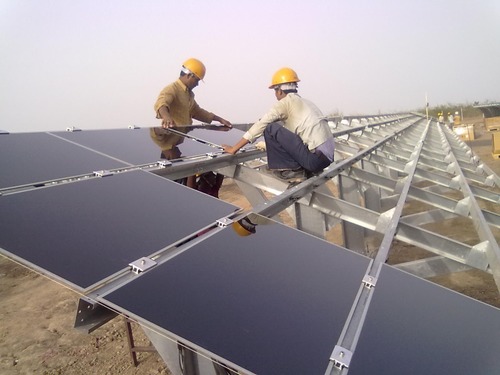
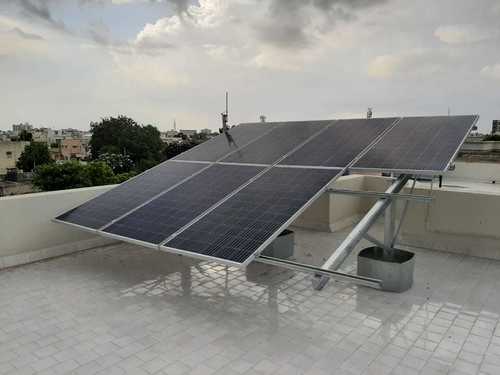
Customized System Design and InstallationEvery project is thoroughly evaluated and custom-designed based on site and client requirements, spanning rooftop, ground-mount, and hybrid installations. System sizing, module layout, and inverter configuration are tailored to user needs, with options for power output, voltage specifications, and cable lengths, ensuring optimal integration and performance.
Advanced Monitoring and DocumentationOur contracts include real-time monitoring via remote access or robust SCADA systems, enabling immediate insights into system performance. Detailed documentation, including project reports, as-built drawings, and comprehensive test reports, supports regulatory compliance and streamlined maintenance throughout the system's 25+ year lifespan.
FAQ's of solar epc contract:
Q: How are system components certified for solar EPC contracts?
A: All components used, such as photovoltaic modules and inverters, are IEC, MNRE, BIS, and CE certified, ensuring international safety, performance, and durability standards are met in every installation.
Q: What types of inverter configurations are available in your solar EPC projects?
A: We offer string, central, and micro inverter options. Configuration will be selected during the design phase to best suit site conditions and client preferences, enabling efficient energy conversion and monitoring.
Q: When is the typical project completion timeline for a solar EPC contract?
A: Project timelines generally range from 3 to 12 months, depending on the site complexity and scale of installation, from smaller residential projects to multi-megawatt utility systems.
Q: Where can your solar EPC solutions be deployed?
A: Our EPC services are available nationwide and are suitable for industrial, commercial, residential, institutional, and utility-scale sites. Installation types include rooftop, ground-mounted, carport, and hybrid systems.
Q: What protection and safety measures are included in your EPC solar installations?
A: Every project is equipped with lightning arresters, surge protection devices, and an earth-pit system to safeguard against electrical hazards and environmental conditions, ensuring safe and reliable operations.
Q: How does the monitoring system benefit the solar installation's operation?
A: Real-time monitoring, either remotely or via SCADA, allows continuous tracking of system performance, prompt fault detection, and proactive maintenance, thereby optimizing efficiency and extending system life.
Q: What documentation is provided at project handover?
A: At completion, you receive a detailed project report, as-built drawings, and comprehensive test reports, ensuring full transparency and meeting regulatory and maintenance standards for future reference.









 Send Inquiry

 Send Inquiry
 Send Inquiry
 Send SMS